
Free Breast Cancer Screening Campaign
We are bringing free screenings and life-saving awareness to women who have never been checked.
Donate Now — 100% to the Field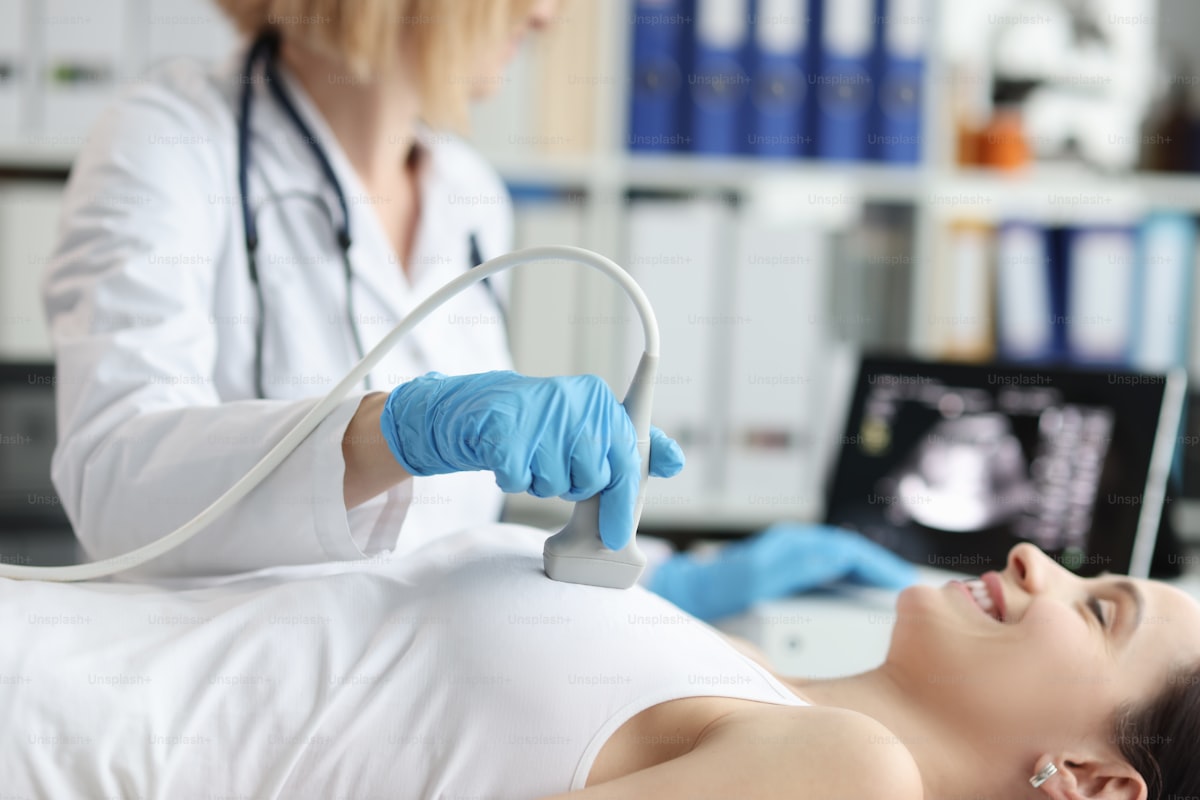
£25 funds one complete breast cancer screening
For £25, a woman who has never been examined can receive a free clinical breast exam and ultrasound scan. Share this campaign and help us reach women who would otherwise never know.
Breast cancer is the most common cancer affecting women around the world — yet survival rates vary dramatically depending on where a woman lives. In the UK and other high-income countries, survival rates exceed 80% thanks to widespread screening programmes and early intervention. In low-income communities, that figure falls as low as 40% — simply because the disease is caught too late.
The root cause is not the cancer itself. It is a lack of access. Millions of women in underserved communities have never received a breast examination in their lives. They have not been taught how to self-examine, they do not know the warning signs, and there are no local services to turn to. When symptoms eventually become impossible to ignore, the disease has already advanced to a stage where treatment is far harder.
Our Free Breast Cancer Screening Campaign deploys mobile screening units, funds community awareness workshops, and trains local health educators to deliver free breast examinations and early detection education directly to women in underserved communities. This is a structured, ground-level programme with clear targets — reaching women who would otherwise never receive a clinical examination.
What your donation achieves
- ✓ Fund a free screening session for 10 women who have never been examined
- ✓ Deliver an awareness workshop to a community of 100 women and girls
- ✓ Equip a local health educator with training and materials for breast self-examination
- ✓ Support a mobile screening unit visit to a rural or remote community
The need is urgent. Your timing is perfect.
Every day without screening is another day where early-stage cancer becomes late-stage. Help us close the gap.
Donate Today