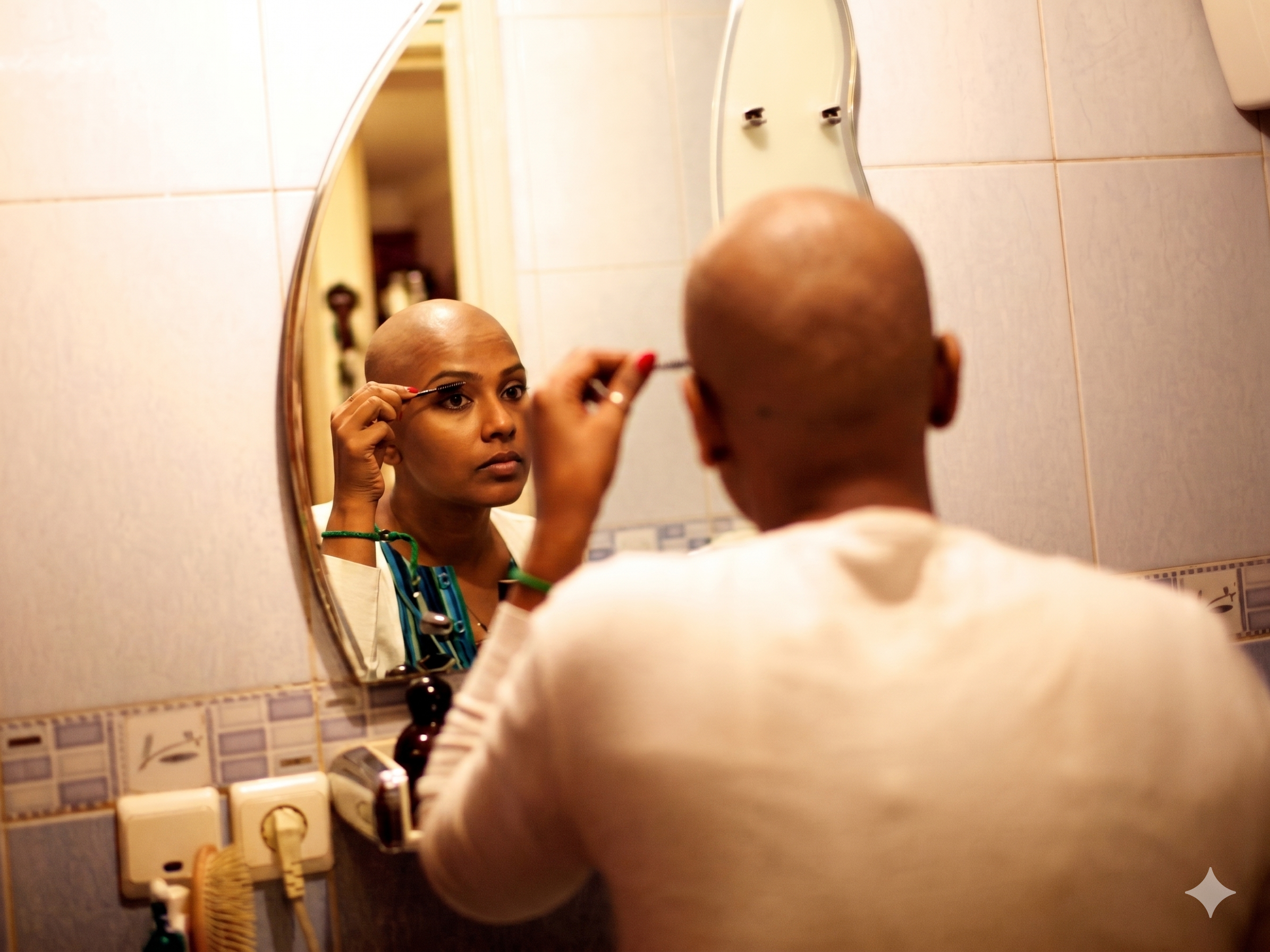
Fatima grew up in a small village in Punjab, Pakistan, one of five daughters in a farming family. She married young, raised four children, and spent most of her adult life working long days in the fields or at home. She had never had a mammogram. She had never even heard the word.
In early 2023, she noticed a small, painless lump in her right breast. She mentioned it to her sister, who told her not to worry — "it is probably nothing." For six months, Fatima waited. The lump grew. The skin above it began to pucker. Then came the pain.
A three-hour journey to a diagnosis
There is no hospital in Fatima's village. The nearest facility with oncology services is in Lahore — a journey of more than three hours by road, and one that the family could not easily afford. Her husband, a day labourer, spent most of what they had on the bus fare and the first consultation fee.
The diagnosis was Stage II invasive ductal carcinoma. Treatable, the doctor said — but the treatment plan he outlined was more than the family could finance. Surgery, chemotherapy, radiation. The estimates ran to amounts they could not conceive of earning.
Where Breast Cancer Awareness came in
One of the community health workers trained through our Pakistan programme visited Fatima's village the month after her diagnosis. She had heard about the family's situation through the local mosque network. She connected Fatima with our partner clinic, which was running a subsidised treatment access programme funded by donations to Breast Cancer Awareness.
Fatima received surgery to remove the tumour, followed by four cycles of chemotherapy and a course of radiation. The charity covered the cost of treatment. A local volunteer provided transport to and from her appointments. A WhatsApp group of other women in the programme gave her emotional support through the side effects.
Two years on
Fatima finished treatment in the spring of 2024. Her most recent scan shows no evidence of disease. She now volunteers for the same community health programme that found her — visiting other women in surrounding villages, sitting with them in their kitchens, and explaining, in Punjabi and in terms she understands, what breast cancer is, what to look for, and why it matters to go and get checked.
"I was afraid of the diagnosis more than the cancer," she told us. "Once I knew what it was, I could fight it. What I needed was someone to show me the door. Now I want to show other women the same door."
Fatima's story is not exceptional in its details — it is the story of thousands of women across Pakistan, Indonesia, and the wider region every year. What made it different was that she was found in time. That is what your support makes possible.