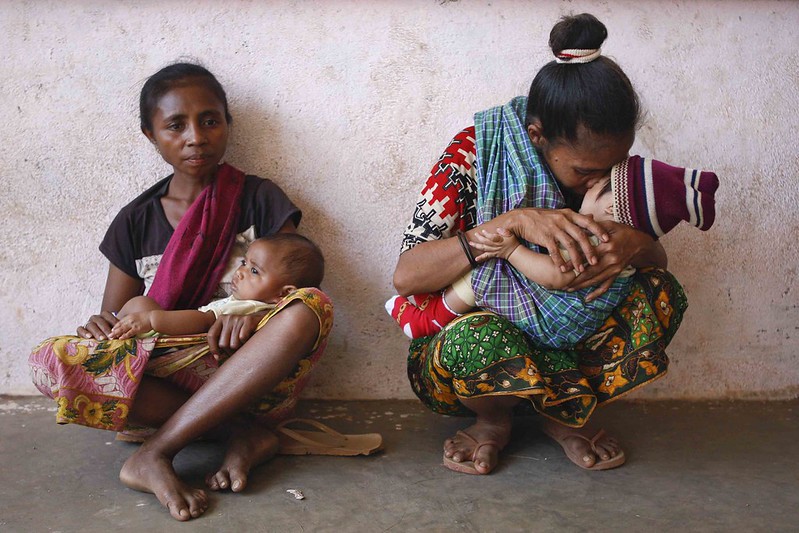
Bangladesh, a nation of approximately 170 million people, faces a growing breast cancer burden that its health system is ill-equipped to meet. Breast cancer is the second most common cancer in Bangladeshi women after cervical cancer, and the WHO estimates that approximately 26,000 new breast cancer cases are diagnosed in Bangladesh each year — a figure that is almost certainly an underestimate, given the significant proportion of cases that go undiagnosed.
The majority of Bangladeshi women with breast cancer are diagnosed at stage III or IV — when the cancer has already spread to lymph nodes or beyond. At this point, treatment is far more complex, less effective and more expensive. Five-year survival rates for breast cancer in Bangladesh are among the lowest in the region — estimated at 40–55% — compared to 87% in the UK.
Bangladesh's breast cancer statistics
- Approximately 26,000 new breast cancer cases diagnosed annually (GLOBOCAN 2022).
- Approximately 16,000 deaths from breast cancer each year — a high mortality-to-incidence ratio.
- 70–80% of cases are diagnosed at stage III or IV.
- Breast cancer incidence is rising: GLOBOCAN data shows consistent year-on-year increases in age-standardised rates.
- Average age at diagnosis is significantly younger than in Western countries — many cases occur in women in their 30s and 40s.
- The overall five-year survival rate is estimated at 40–55%, against a background of 87% in the UK.
The structural barriers to early diagnosis
Bangladesh's healthcare infrastructure, while expanding, remains significantly underdeveloped relative to its population size. Key barriers to early breast cancer diagnosis include:
- Severe shortage of oncologists: Bangladesh has fewer than 200 oncologists for a population of 170 million — a ratio of approximately 1 per 850,000 people. In the UK, the ratio is approximately 1 per 100,000.
- Limited mammography access: Mammography machines are concentrated in Dhaka and a small number of other cities. The vast majority of the country's 64 districts have no mammography service.
- Absence of organised screening: Bangladesh does not have a national organised breast cancer screening programme. Early detection depends entirely on women noticing symptoms themselves and presenting to a healthcare provider.
- Rural-urban disparity: Around 62% of Bangladesh's population lives in rural areas with minimal access to diagnostic services or specialist care. Women in these areas typically present to the healthcare system only when they can no longer manage their symptoms.
- Cultural and social barriers: Stigma around cancer, modesty concerns that prevent breast examination, and a tendency to seek religious or traditional herbal remedies before Western medicine all contribute to delays in diagnosis.
- Out-of-pocket cost burden: Despite a government health system, most Bangladeshis pay for healthcare out of pocket. The cost of a mammogram, biopsy and cancer treatment is catastrophic for the majority of households.
What is being done — and what more is needed
The Bangladesh government, supported by international organisations, has begun to address the breast cancer burden. The National Cancer Control Strategy includes breast cancer awareness campaigns and training of community health workers in clinical breast examination. Dhaka Medical College Hospital — the country's largest public hospital — has expanded its oncology department. Several NGOs, including the WHO and international cancer charities, have funded pilot screening programmes using clinical breast examination and ultrasound in areas without mammography access.
These efforts, while valuable, are reaching only a small fraction of the women who need them. The single most impactful investment would be training and deploying community health workers — particularly women — to conduct clinical breast examination and awareness education at the village level. Clinical breast examination, while less accurate than mammography, is inexpensive, culturally adaptable, and can be performed without specialised equipment. In settings where mammography is inaccessible, it is a life-saving tool.
Breast cancer in the Bangladeshi diaspora in the UK
The UK has a significant Bangladeshi diaspora community — approximately 500,000 people, heavily concentrated in Tower Hamlets and other parts of East London. Bangladeshi-heritage women in the UK face the same epidemiological transition as other South Asian groups: lower overall breast cancer incidence than white British women, but a pattern of later-stage diagnosis linked to lower screening attendance, cultural barriers and lower awareness.
NHS data has consistently shown that women from Bangladeshi and Pakistani backgrounds have lower breast screening attendance rates. Outreach by community health advocates, mosque-based education, multilingual health materials and trusted community intermediaries have all been shown to improve uptake. These are the interventions that should be funded at scale.