Breast cancer research has been one of the most heavily funded areas of medical science for the past three decades. The cumulative investment by governments, charities and pharmaceutical companies runs into tens of billions of pounds. The progress that investment has produced is real — and uneven. Survival rates in the UK have nearly doubled since the 1970s. Survival rates in much of South Asia have barely moved.
Understanding what breast cancer research has delivered, where it has fallen short, and where the next decade is likely to focus is essential for anyone deciding how to support the cause. This is a plain-English guide to the state of the science in 2026.
What breast cancer research actually is
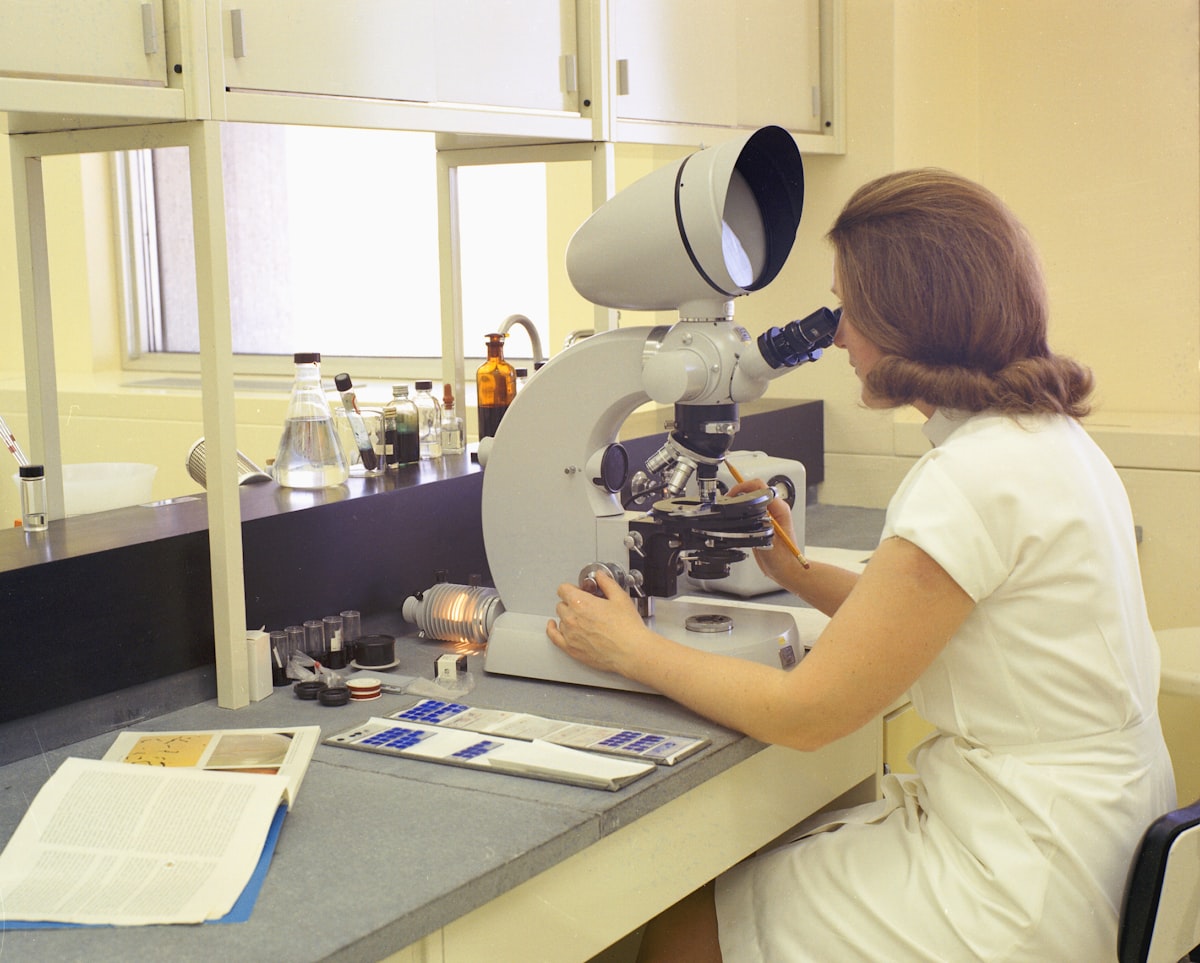
Breast cancer research is not one field but several. At its broadest, it covers laboratory science (understanding how breast cancer cells grow and spread), clinical research (testing new treatments and screening approaches in real patients), epidemiological research (mapping who gets breast cancer, where, and why) and implementation research (working out how proven interventions can actually be delivered in real-world health systems).
In high-income countries, the bulk of funding has historically gone to the first two — biology and treatment. The third and fourth, which matter enormously for global outcomes, have been comparatively neglected.
What research has delivered
The list of clinically meaningful advances since the 1990s is genuinely impressive. Tamoxifen and aromatase inhibitors, which block oestrogen-driven cancers, are the single biggest survival-improving intervention in modern oncology. Trastuzumab (Herceptin) transformed the outlook for HER2-positive breast cancer, a subtype that was previously among the most lethal. CDK4/6 inhibitors have extended life in advanced hormone-receptor-positive disease. Immunotherapy is now standard of care for triple-negative breast cancer in some settings.
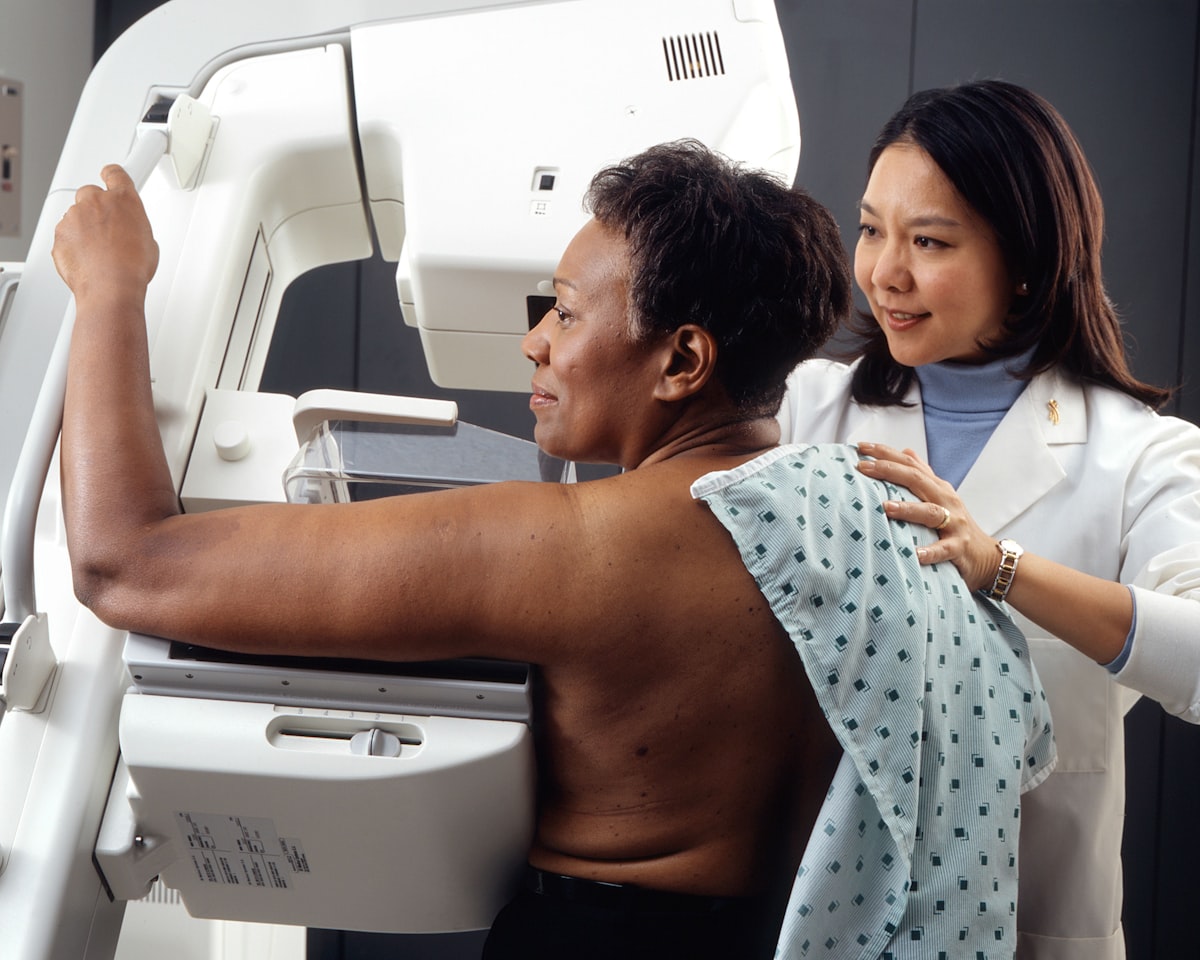
On the screening side, the modern mammogram itself is a research artefact — refined, standardised and proven to reduce mortality through decades of trials. Genetic testing for BRCA1 and BRCA2 mutations, made possible by the Human Genome Project and follow-on research, has allowed targeted prevention for women at very high inherited risk.
- 5-year survival in the UK is now ~87%, up from around 50% in the 1970s.
- Breast cancer mortality in the UK has fallen by over 40% since 1989, a year after the NHS Breast Screening Programme was introduced.
- Over 70% of UK breast cancer patients now receive treatments that did not exist when their mothers were diagnosed.
What research has not yet solved
Despite this progress, breast cancer still kills around 670,000 women globally every year, according to the World Health Organization. The hardest unsolved problems are: (1) why some early-stage cancers later recur as incurable metastatic disease and others do not; (2) how to treat lobular and triple-negative cancers as effectively as hormone-receptor-positive types; and (3) how to detect aggressive cancers in younger women, who are not part of routine screening programmes.
But the single biggest unsolved problem is global inequality of outcomes. The treatments described above exist. They simply are not available, affordable or accessible to most women on earth.
Where the money currently goes
Global breast cancer research funding is heavily concentrated in high-income countries — chiefly the United States, the United Kingdom, Germany and Japan. Around 90% of published breast cancer research originates in countries that account for less than 30% of global breast cancer deaths. This mismatch is not malicious; it reflects where universities, laboratories and donor bases happen to sit.
Within that funding, the great majority goes to laboratory and treatment research. A much smaller fraction goes to implementation research — that is, work focused on how to deliver proven interventions in low-resource settings. This is one reason why the survival gap between countries has narrowed so little even as the science has advanced so far.
What 'frontline' research charities do differently
Some breast cancer charities — including Breast Cancer Awareness — focus their work not on funding new laboratory science but on delivering already-proven interventions in places that lack them. Mobile screening clinics, community health worker training, and subsidised access to diagnostic and treatment services in underserved countries are the result of decades of research that has shown what works. The challenge now is implementation, not invention.
Both kinds of work — fundamental research and frontline delivery — matter. They simply answer different questions. Research-funding charities ask: how can we cure breast cancer faster? Treatment-access charities ask: how can we make sure the cures we already have reach the women who need them most?
Where breast cancer research is heading next
Three areas are likely to define the next decade of breast cancer research. First, liquid biopsies — blood tests that can detect cancer DNA before a tumour is large enough to feel or image. Second, antibody-drug conjugates, which deliver chemotherapy directly to cancer cells while sparing healthy tissue. Third, AI-assisted mammogram reading, which is already being trialled in NHS screening programmes and could meaningfully improve sensitivity and capacity.
All three are exciting. None of them, on their own, will close the global mortality gap. That requires the unglamorous work of implementation — and the donor support to fund it.
How to support breast cancer research and access
If you want to support breast cancer research, you have meaningful choices about what kind of work your money funds. Donations to large research-funding charities support laboratory science, clinical trials and prevention research, predominantly in high-income countries. Donations to organisations like Breast Cancer Awareness fund the implementation of proven interventions in low-income countries — bringing screening, diagnosis and treatment to women who would otherwise go without.
Both are valid. Both are needed. The right choice depends on what you believe will save the most lives per pound — a question that gets harder, not easier, the more you understand the field.
How to read a breast cancer research headline
Breast cancer research generates regular news coverage — new drugs, promising trial results, AI breakthroughs, blood tests that promise to detect cancer years earlier. Most of the coverage is well-meaning. Some of it is hype. A small amount is genuinely transformative. Knowing how to tell the difference makes you a better-informed donor and a more discerning reader.
First, look at the trial phase. Phase I trials test safety in tiny numbers of patients. Phase II trials look at preliminary efficacy. Phase III trials are the large, randomised studies that actually determine whether a treatment works. Headlines based on Phase I or II results are often interesting but rarely practice-changing on their own. A drug that succeeds in Phase III, by contrast, can genuinely shift survival curves within a few years of approval.
Second, look at the comparator. A new drug that 'extends survival' is only meaningful if you know what it was compared with — placebo, an older treatment, or current standard of care. Improvements over weak comparators are easy to show but often clinically modest.
Third, look at the absolute numbers. A treatment that 'reduces the risk of recurrence by 30%' sounds dramatic, but if the baseline risk was 4%, the absolute reduction is 1.2%. That can still be worth pursuing — but it is a different story from what the headline suggests.
What the next decade of breast cancer research is likely to deliver
Several trajectories are reasonably predictable. Liquid biopsies — blood tests that detect tumour DNA — are likely to become a routine part of follow-up for women treated for breast cancer, allowing earlier detection of recurrence than imaging alone. Antibody-drug conjugates, which deliver chemotherapy directly to cancer cells, are likely to expand from triple-negative and HER2-positive disease into more common subtypes. AI-assisted mammogram interpretation is already being trialled within NHS screening and will probably become standard within five to ten years.
Less predictable, but potentially more important, are the questions that NHS researchers and global health teams are starting to ask in parallel: how do you make these advances accessible outside high-income countries? An antibody-drug conjugate that costs £100,000 per course will not be available in Pakistan or Bangladesh on current terms. Whether the next decade closes or widens the global gap depends as much on access policy as on the underlying science.
For UK donors, this means the most important research questions in 2026 are not just biological. They are also about delivery — and that is where research-funding charities, treatment-access charities and policymakers all have a role to play.
If you are deciding how to support breast cancer research yourself, a few simple checks help. Look at the charity's annual report and confirm that a clear majority of donor income flows into charitable activity rather than fundraising overhead. Look at the kind of research the charity funds — early-stage discovery, translational research, large clinical trials, implementation studies in low-income settings — and choose the level of the pipeline that most matches your interests. And, where possible, set up a regular monthly gift rather than a one-off donation, because research grants are awarded over multi-year horizons and predictable funding is what charities need to plan against. The science will keep moving forward; the question for each of us is what role we want to play in that movement.