Among the dozens of breast cancer charities operating in the UK, a small but important group focus their work specifically on the delivery of breast cancer screening. The term 'breast cancer screening charity' is often used loosely, but it has a specific meaning worth unpacking — particularly if you are deciding where your donation will save the most lives per pound.
What screening actually is, and why it matters
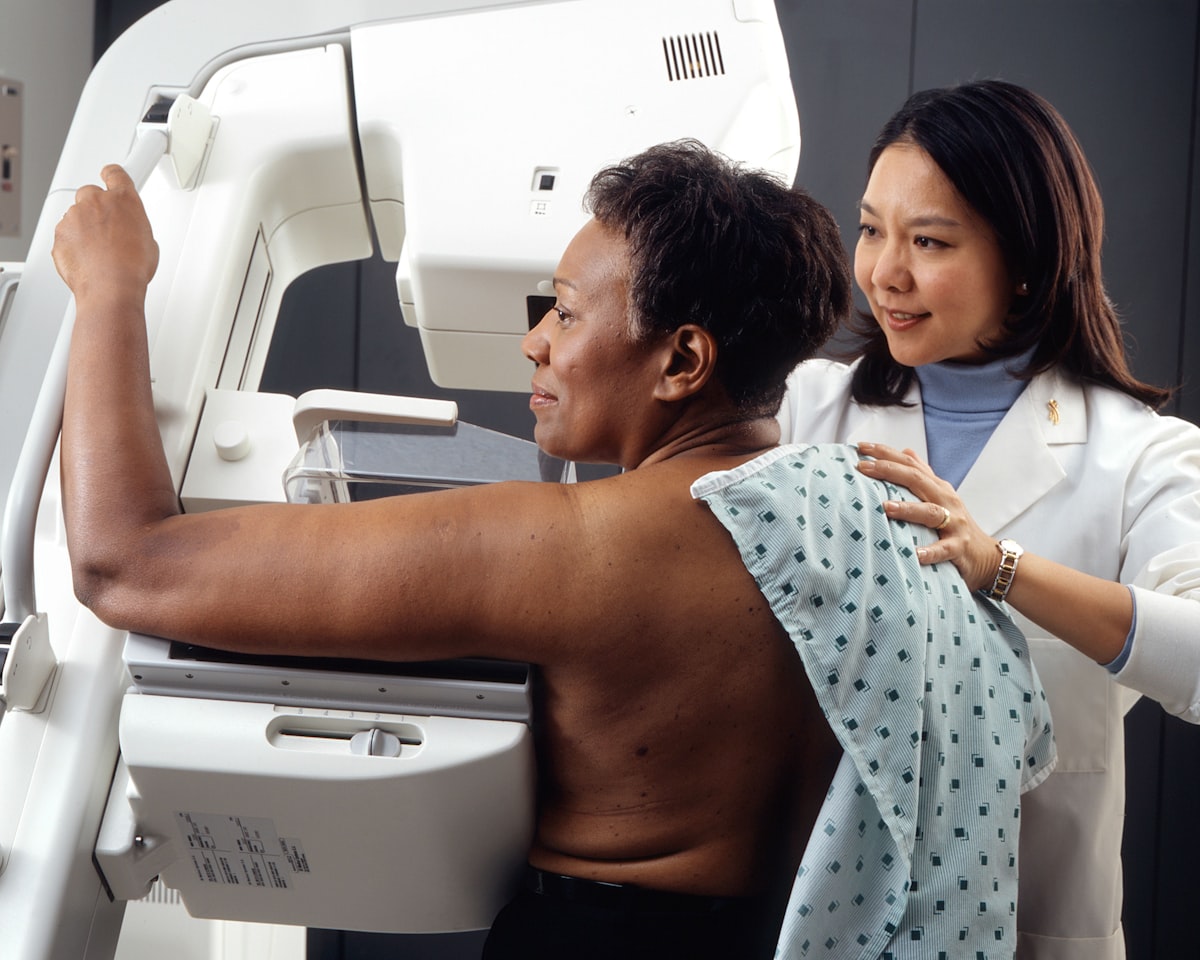
Screening is the use of tests on people who do not have any symptoms, in order to find disease at the earliest possible stage. For breast cancer, the gold standard test is mammography — a low-dose X-ray that can detect tumours years before they are large enough to feel. In settings where mammography is not yet available, clinical breast examination by a trained health worker is the next-best alternative.
Screening saves lives because breast cancer caught at Stage I has a 5-year survival rate of around 99%, whereas the same cancer caught at Stage IV has a survival rate of around 28%. The earlier the cancer is found, the more effective treatment is — and the lower the cost of treatment.
What a breast cancer screening charity does
A breast cancer screening charity uses donor funds to make screening physically and financially accessible to populations who would not otherwise have access to it. In high-income countries, this might mean funding outreach to communities with low screening uptake. In low-income countries, it usually means funding the basic infrastructure of screening itself — equipment, staff training, transport, and patient subsidies for diagnostic follow-up.
Unlike research-funding charities (which support laboratory science) or patient-support charities (which help people already diagnosed), screening charities work upstream of diagnosis. Their measure of impact is the number of cancers found earlier, and ultimately the number of lives saved by earlier detection.
What we do at Breast Cancer Awareness
Breast Cancer Awareness is, in this technical sense, a breast cancer screening charity — although our remit also extends to diagnosis and treatment access. The bulk of our programme funding goes to early-detection work in countries where most women have never been screened in their lives.
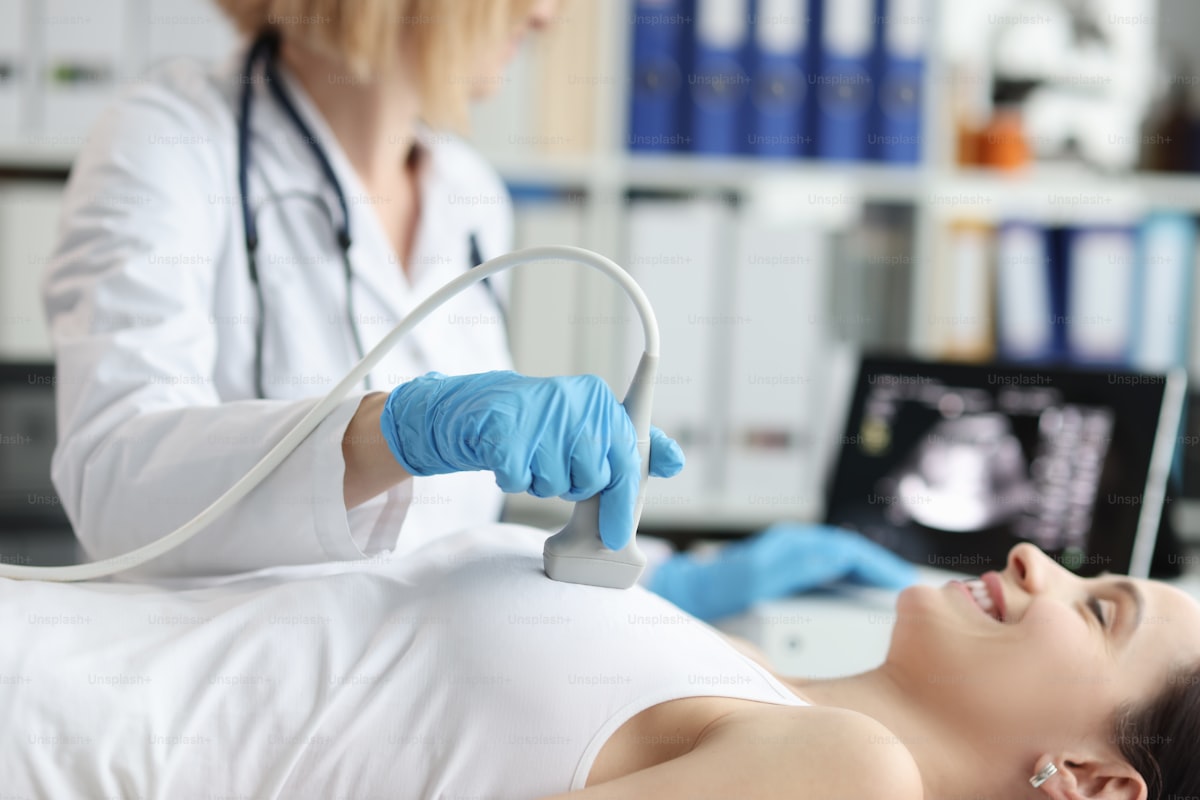
Our partner programmes in Indonesia and Pakistan run mobile screening clinics — vehicles equipped with portable ultrasound or digital mammography that travel to rural villages, peri-urban districts and underserved provinces. Each clinic visit is paired with awareness sessions delivered in the local language by community health workers, and a referral pathway to subsidised diagnostic and treatment services for any woman whose screening result is concerning.
How donations translate into screening
The unit economics of screening in low-income countries are very different from those in the UK. Here is what donations of various sizes typically fund through our partner clinics in 2026:
- £25 funds one clinical breast examination, including counselling and follow-up referral.
- £60 funds a full diagnostic mammogram and radiologist read.
- £250 supports a complete diagnostic and early treatment access pathway for one woman without other means.
- £1,000 funds a single mobile screening day reaching dozens of women in an under-served area.
- £10,000 funds approximately one month of full-time operation for one mobile clinic, including staff salaries, fuel and consumables.
These figures are approximate and vary by country, partner and programme. They are illustrative of how far donor pounds can travel when applied to settings where the marginal cost of saving a life is much lower than in the UK.
What makes screening charities effective
The best breast cancer screening charities share three characteristics. First, they work with strong local partners — the screening clinics, community organisations and ministries of health that will continue the work after a programme ends. Second, they pair screening with referral pathways: there is no point detecting a cancer if there is nowhere to refer the patient for diagnosis or treatment. Third, they measure outcomes rigorously, tracking not just how many women were screened but how many cancers were found, treated and survived.
When evaluating a breast cancer screening charity, look for clear answers to these three questions in their published reports. Vague claims about 'raising awareness' or 'supporting women' are a yellow flag.
Why screening charities matter alongside research
Research-funding charities have produced the breast cancer treatments that save lives. Screening charities have made sure those treatments reach women in time to work. Both are needed. But the global mortality picture — 670,000 deaths a year, the great majority in low- and middle-income countries — makes a strong case that the largest marginal benefit per pound, in 2026, comes from extending screening rather than developing new drugs.
If saving the most lives per pound is your priority, supporting a breast cancer screening charity is among the most effective philanthropic decisions available in oncology today. We would, naturally, be grateful for your support — but our case rests on the work, not on us.
How a breast cancer screening charity actually works
Most donors picture a screening charity as a simple machine — pound in, mammogram out. The real picture is more interesting. A mature screening charity operates several layers of work that depend on each other.
Outreach and demand generation comes first. In a country where most women have never been screened and many have never heard of breast cancer in detail, simply opening a clinic does not produce attendance. Community health workers, posters, mosque and church partnerships, women's group meetings and local radio all play a role in turning the idea of screening into a community-recognised, family-supported decision. This is unglamorous work — but without it, the rest of the system runs at a fraction of capacity.
Clinical capacity comes next. A screening service needs trained radiographers, working mammography units, calibrated equipment, pathology services to process biopsies, and onward referral pathways for women who screen positive. Building this in countries where the underlying health system is thin is harder than building any single component in isolation, and it is where the bulk of donor funding tends to go.
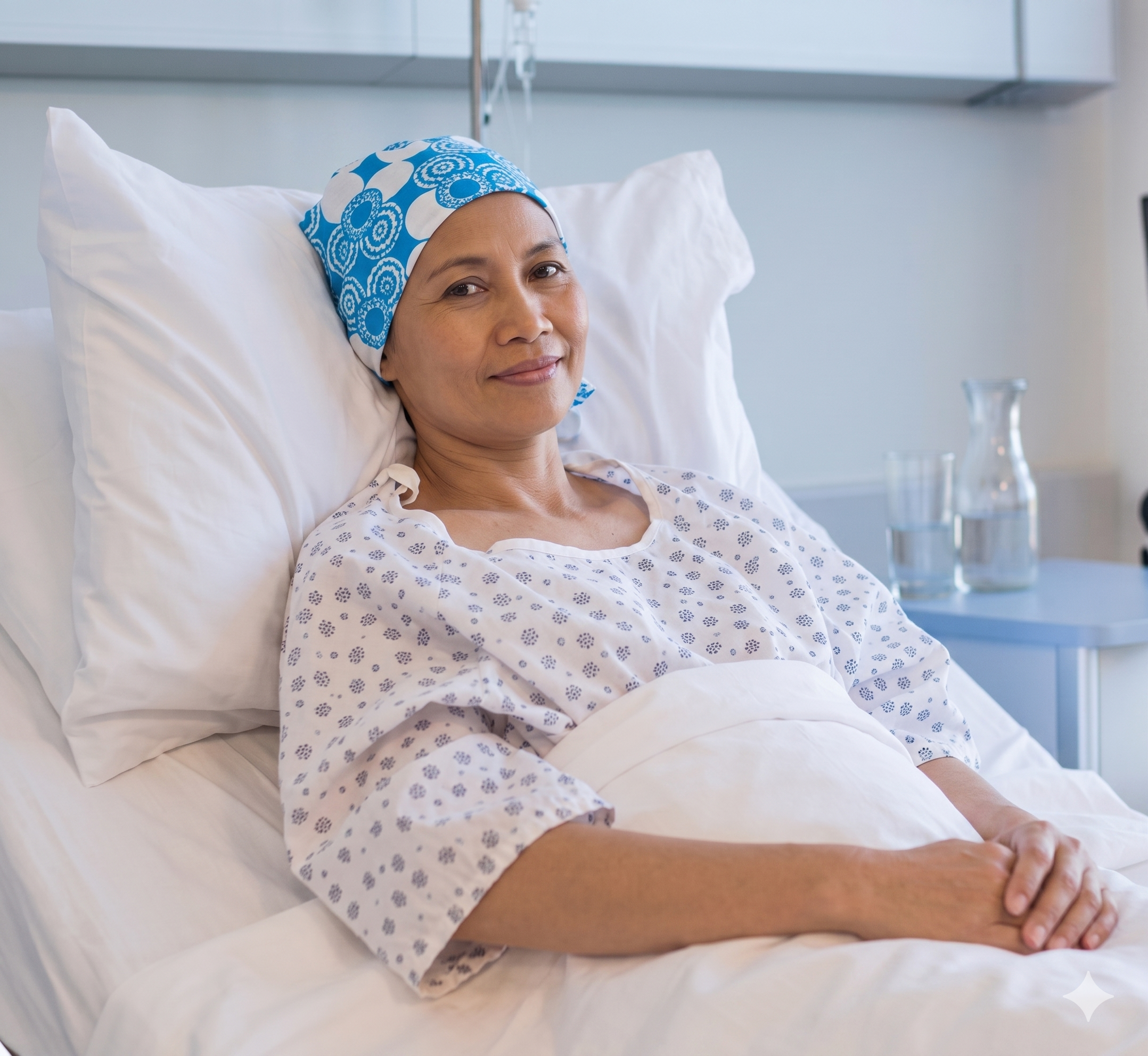
Diagnostic and treatment follow-through is what turns a screening result into a life saved. A woman who receives an abnormal mammogram and then has no access to a biopsy, or no affordable surgical or oncology pathway, does not benefit from screening — she only learns earlier that she has breast cancer. Responsible screening charities therefore invest in the entire chain, not only the camera at the front.
The economics of screening compared with treatment
Health economists have studied breast cancer screening for decades. The general conclusion in high-income countries is that mammography screening for women in the typical 50–70 age range is broadly cost-effective by NHS standards, when measured against the cost per quality-adjusted life year (QALY) gained. The exact figures vary by study and assumption, but the consensus is that organised national screening programmes pay for themselves in averted late-stage treatment costs.
In low-income countries, the calculation looks very different. Treatment for late-stage breast cancer is expensive, often poorly tolerated, and frequently unavailable in any case. Screening that catches cancer at an earlier stage shifts patients from costly, low-yield late-stage treatment to far cheaper, high-yield early-stage treatment. World Health Organization analyses of breast cancer pathways in low- and middle-income countries consistently identify earlier detection — through clinical breast examination where mammography is unaffordable — as the highest-impact intervention available.
This is why screening-focused charities can credibly claim some of the lowest cost-per-life-saved figures in cancer philanthropy. The numbers depend on assumptions, country and programme design — but the order of magnitude is real.
What a screening donation funds in practice
When you donate £25 to a breast cancer screening charity, your money rarely funds a single, neat 'one mammogram'. In reality, it joins a pooled fund that pays for the mixed costs of running a screening programme: clinic staff salaries, fuel for mobile units, replacement parts for ageing mammography machines, training of new radiographers, maintenance of patient databases, and the unglamorous overhead of regulatory compliance and reporting.
Charities that present every donation as funding a single discrete unit of output are oversimplifying. Honest screening charities — Breast Cancer Awareness included — are clearer that your donation supports the cost structure that makes screening at scale possible. The aggregate effect is what matters: the NHS Breast Screening Programme is estimated to save more than a thousand lives a year in the UK. In the countries where Breast Cancer Awareness works, the equivalent infrastructure is still being built — and donor funding is what lets that happen.
If the case for supporting breast cancer screening internationally seems straightforward to you, that is because, on the evidence, it largely is. The intervention is well understood, the cost-effectiveness is supported by decades of research, and the gap between what is possible and what currently happens in low-income countries is enormous. The harder question is which screening charity to support — and our suggestion is to look beyond brand name to the work itself. A clear answer to 'what does this charity actually fund, and how do we know it works?' is the single most important quality to look for. We are happy to be judged by that question, as is any reputable screening charity working in the global breast cancer space.